At coffee shop counters, a freshly whisked Matcha Latte is an undeniable superstar. But when packaged into a ready-to-drink (RTD) aluminum can, it faces an unspoken industry reality: most commercial canned Matcha turns a dull, brownish hue and leaves a thick layer of sediment at the bottom.
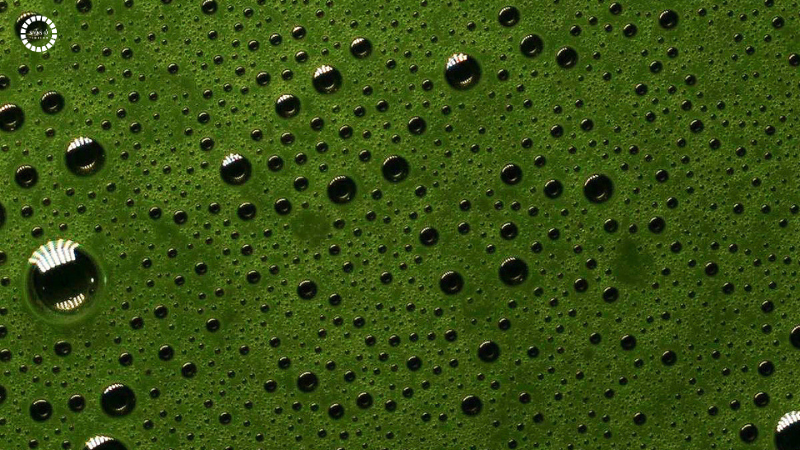
If you have ever popped open a canned Matcha Latte from a convenience store shelf, you may have noticed that the liquid inside rarely matches the vibrant jade-green pictured on the label—or the freshly crafted cup you get from a local cafe.
Natural Matcha powder is notoriously sensitive. The signature green color of high-grade Matcha comes from chlorophyll, a natural pigment cultivated by shading tea plants before harvest. However, chlorophyll breaks down rapidly when exposed to light, oxygen, and especially high heat.
To render a canned beverage shelf-stable at room temperature for months, manufacturers must apply thermal sterilization. This heat processing essentially "cooks" the chlorophyll, degrading the vivid green into a muted olive or muddy brown.
To bypass this visual setback, many commercial brands take a shortcut: adding artificial dyes and synthetic flavorings. The artificial green color returns, and the aroma becomes intense, but it is no longer the pure Matcha experience consumers signed up for.
The second hurdle of canned Matcha lies in the physical nature of the ingredient itself. Unlike instant green or black tea extracts—which are brewed, concentrated, and dried—Matcha is whole green tea leaves ground into an ultra-fine powder.
When mixed with milk, Matcha powder does not dissolve. Instead, it remains suspended as microscopic particles in the liquid.
"Gravity is the ultimate enemy of canned Matcha," explains an F&B formulation researcher. "After just a few weeks on a retail shelf, those fine tea particles sink to the bottom. The result? The consumer’s first sip is a watery, diluted milk mix, while the final gulp is an unpleasantly bitter slurry."
This settling effect is precisely why many hotel food-and-beverage managers, cafe owners, and international procurement teams have historically hesitated to adopt canned Matcha solutions.
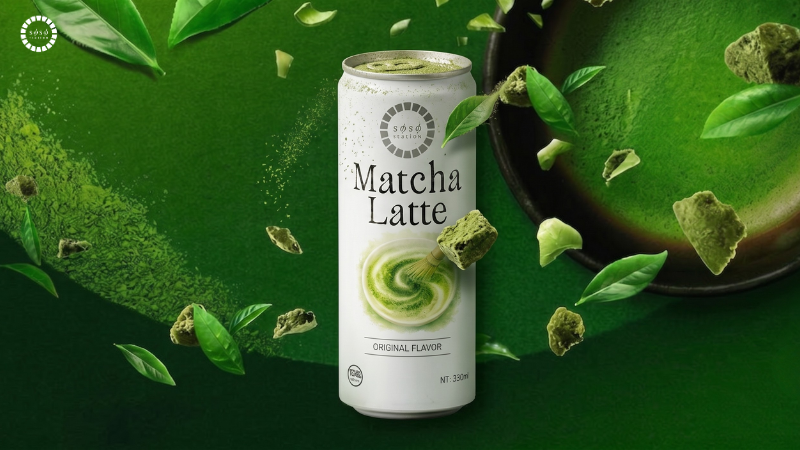
The Breakthrough: Real-World Experience Meets Japanese R&D
Recognizing these technical barriers, SOSO BEVERAGES approached the problem from a different angle. Rather than concealing flaws with artificial additives or heavy thickeners, SOSO BEVERAGES translated real-world formulation insights—gleaned from serving thousands of fresh Matcha drinks daily at its SOSO Station retail outlets—into Japanese-engineered R&D standards.
By deploying advanced micro-dispersion technology alongside precise thermal processing controls, SOSO BEVERAGES achieved a true formulation breakthrough:
For international importers and HoReCa buyers, a sensory-stable canned Matcha Latte is more than a taste upgrade—it is an operational efficiency solution.
Preparing a handcrafted Matcha Latte requires a barista to heat water to precise temperatures, measure powder, whisk thoroughly with a bamboo chasen, and steam milk—taking anywhere from 3 to 5 minutes per order.
A ready-to-serve, shelf-stable canned alternative cuts preparation time down to a 5-second pour over ice. This completely eliminates flavor variance across shifts, reduces barista labor pressure, and eliminates ingredient waste at the bar counter.
11/08/2026
THE PLANT-BASED PROTEIN BOOM: CAN CANNED MULTI-GRAIN SOYA MILK REPLACE TRADITIONAL DAIRY?